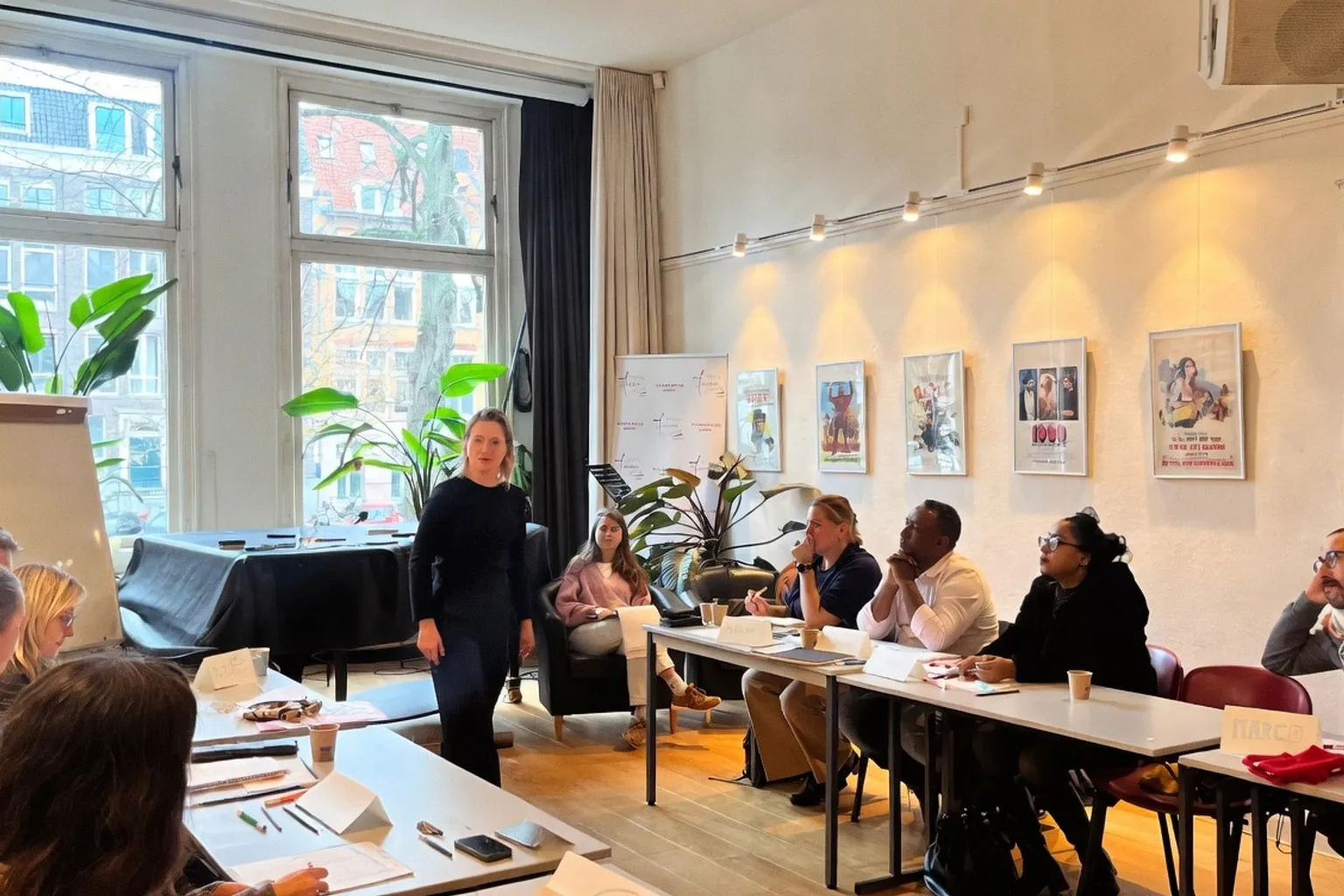
Toolkit Translates Trauma-Informed Care into Operational Protocol
According to the organization, the resources convert trauma-informed principles — safety, trust, choice, collaboration, empowerment — into practical tools for frontline staff, volunteers, and the organizations that employ them. The release matters beyond the refugee sector: it is one of the more structured attempts to move trauma-informed care from training language into operational protocol.
Structure and Scope
The toolkit has two components. The first is a practical guide for staff and practitioners, covering trauma-informed principles, communication with displaced people, safer environments, distress response, and staff well-being. The second is an organizational self-assessment spanning six domains: access to services, physical environment, participation and feedback, staff training, organizational culture and leadership, and staff well-being and support. Used together, they are designed to take an organization from understanding the principles to applying them in daily service delivery and policy.
Development drew on knowledge, research, and field experience from partners in Croatia, Cyprus, Estonia, Greece, Hungary, Malta, and the Netherlands. The initiative is co-funded by the European Union through Erasmus+.
Adjacent Shift in Client Access
In a parallel move outside the refugee sector, Australian practice The Indigo Project has launched a trauma-informed client-therapist matching platform developed with digital studio Nightjar. The platform went into public beta in March 2026 and is now generally available. It draws on more than 300 matching inputs — therapeutic approach, practitioner personality, identity, client preferences, and the emotional texture sought in therapy — and adapts the intake path in real time.
Risk is assessed from the first question. Responses indicating crisis-level need redirect to appropriate services immediately; more complex presentations escalate to a human Therapy Matchmaker team. The platform does not use AI to generate matches; instead, it codifies more than a decade of human matching judgment while preserving human oversight at key decision points.
Mary Hoang, founder of The Indigo Project, noted that finding a suitable therapist often resembles dating — clients want someone they feel connected with and who understands their language and goals. Ahmed Meer, chief product officer at Nightjar, said the project aimed to distill years of matching expertise into a structured system without losing the human dimension.
What to Watch
Two initiatives, one trajectory. Trauma-informed care is being operationalized — through organizational assessment tools in one case, through structured client-facing systems in another. For practitioners, the structural question is no longer whether trauma-informed principles apply to a given setting, but how concretely they are embedded in workflow, training, and intake architecture.