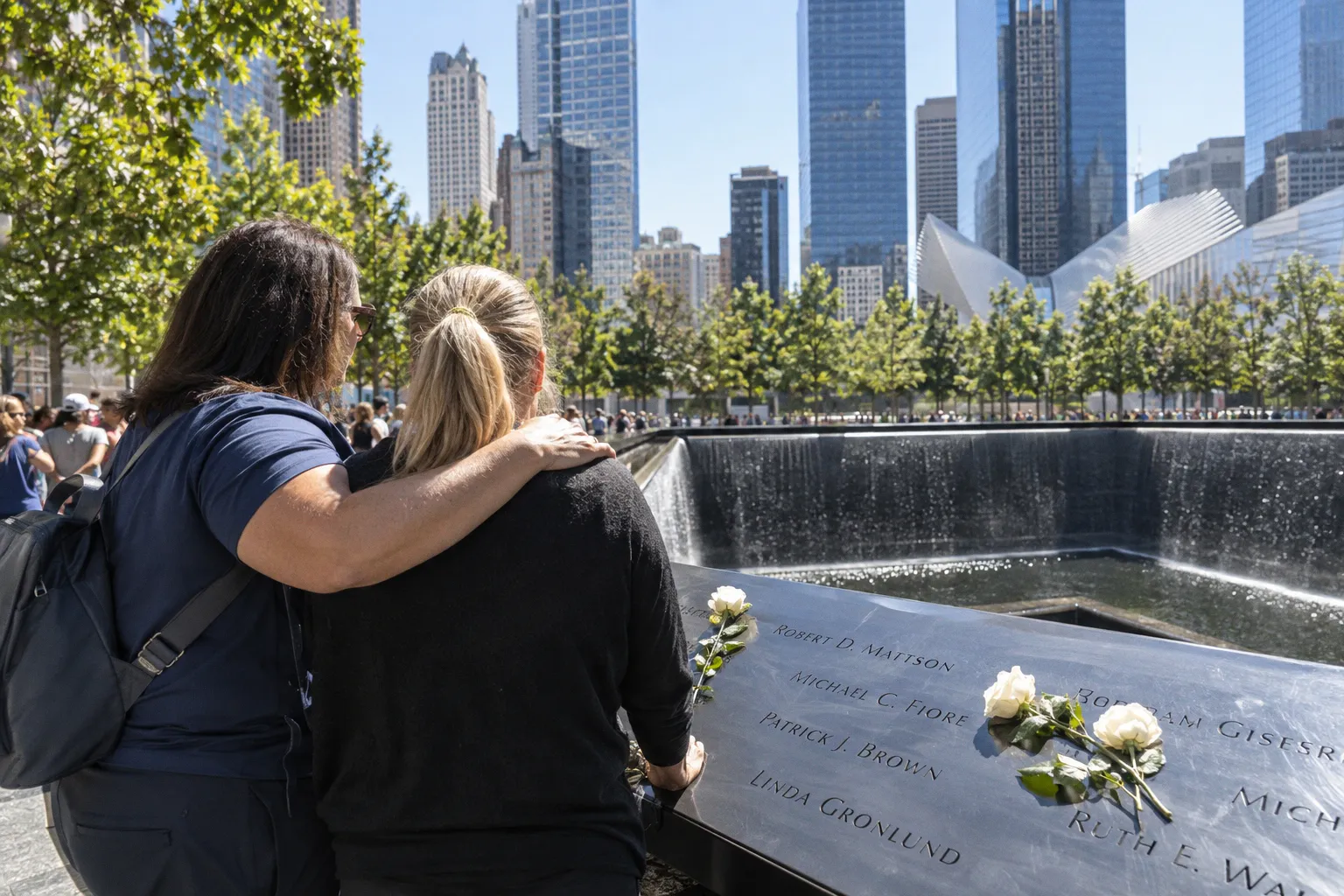
Twenty-five years is the standard working frame for late-emerging disease. It is also the distance now separating the September 11 attacks from the CDC's newly released paper examining 9/11-related health outcomes and the lessons learned since the disaster. The publication lands at a milestone: the exposed cohort — the population monitored under the World Trade Center Health Program — has aged into the chronic-disease window, when conditions with latency begin to define the clinical picture. For mental health practitioners working with trauma-exposed populations, the paper's principal value is structural: it documents what a quarter-century of sustained cohort monitoring can produce, and what that monitoring required to remain intact.
The Surveillance Question
Mass-trauma research is methodologically fragile. Exposed cohorts disperse; funding cycles expire; political attention shifts within a news cycle. A paper that takes stock of what two and a half decades of monitoring have captured is therefore clinically relevant before its specific findings are even read. The lesson embedded in the paper's existence is structural — durable longitudinal data requires codified governance, defined eligibility, and statutory funding, not episodic interest. The CDC paper implicitly describes that architecture.
What the Paper Does Not Yet Specify
The CDC's published summary indicates only that the paper examines health outcomes and lessons learned — not which outcome categories are addressed, what prevalence figures are reported, or how treatment efficacy has been measured across the cohort. Clinicians seeking granular data on mental health trajectories, comorbidity patterns, or screening protocol performance will need to consult the full publication directly. Until then, the paper functions as a methodological marker rather than a clinical guide.
Implications for the Practice
The template the paper implicitly documents has direct relevance for any clinician treating first responders, disaster workers, or survivors of mass-exposure events. The structural question worth tracking is whether that template can travel — whether cohort surveillance of comparable rigor will be applied to the next mass-exposure event, whatever its cause, or whether it remains an exceptional artifact of a single political moment. The answer will determine whether 9/11 becomes a replicable model or a singular case study.