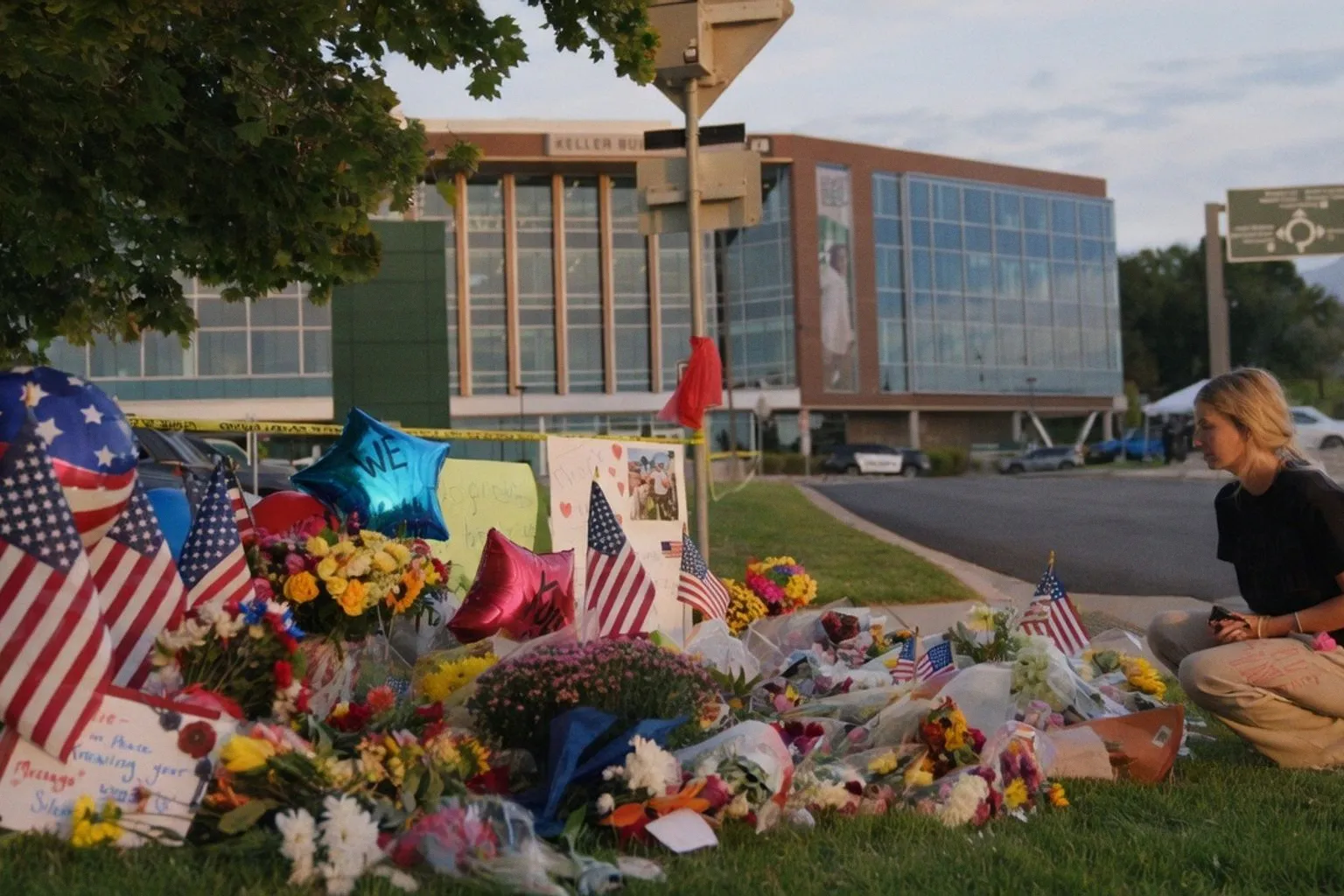
Her experience—grieving while raising their two young children—belongs to one family, but the questions it raises reach anyone living with a sudden death, witnessing violence, or supporting someone whose loss does not move in a straight line.
For patients and families, the central point is a difficult one: grief has no reliable timetable, and it does not necessarily progress through stages that eventually end. A person may seem to be adjusting and then feel the full weight of the loss again around an anniversary, holiday, milestone, song, photograph, familiar place, or ordinary routine once shared with the person who died.
Grief does not follow a schedule
The American Psychological Association, as cited by KJZZ, says there is no normal amount of time someone should grieve. That does not make the experience easier, but it can remove one additional burden—the fear that a person is grieving incorrectly because their emotions have returned, changed shape, or become harder to carry at an unexpected moment.
People also differ in what helps them remain connected to life after a death. Some may want to talk about the person they lost. Others may need more time alone or may find steadiness in familiar routines. Families can continue traditions, share stories, display photographs, or find other ways to preserve a bond with someone who remains important to them.
This variation matters in counseling and in family life. Quietness is not necessarily evidence that someone is finished grieving, just as the ability to work, care for children, or attend to ordinary responsibilities does not mean the loss has stopped affecting them. The visible surface of grief can be very different from its internal weight.
When grief is also trauma
A death that happens suddenly or violently can bring another layer of distress, particularly for people who witnessed the event or were directly involved in what followed. KJZZ notes that this may include people who did not personally know the person who died. Students, employees, and visitors at Utah Valley University experienced the assassination from different positions, but exposure to the same event could leave very different emotional effects.
After a traumatic event, people may experience intrusive memories, difficulty sleeping, anxiety, heightened awareness of their surroundings, or a desire to avoid places and situations connected with what happened. These reactions can complicate the work of mourning because the person is not only missing someone; they may also be trying to feel safe in a world that has become suddenly unpredictable.
That distinction is important for anyone deciding how to support a grieving relative, friend, or client. The loss should not be reduced to a single emotional storyline, and the person should not be pushed toward premature acceptance. Trauma and grief can overlap, but each person’s experience still needs to be understood on its own terms.
Support that stays after the first weeks
Support often becomes especially important after the initial period following a death, when calls, visits, and offers of help may become less frequent even though the loss remains present. KJZZ describes companionship and friendship as meaningful forms of support, including the value of continuing to include a grieving person in everyday life.
Helping does not require finding perfect words or trying to repair what cannot be repaired. Listening, acknowledging the loss, and remaining present can offer connection without asking the person to perform recovery. Concrete offers may be easier to accept than a broad question such as what can be done: bringing a meal, helping with children, or handling an errand gives the grieving person a specific choice.
There may be no clean closing point to grief, and there is no need to manufacture one. What can change is the amount of isolation around it. A steady presence, familiar routines, and room for the person’s own pace can become an anchor while the shape of life slowly changes—without requiring the loss to become small.